
“My Lords, the Government recognise the importance of allotment gardening for food provision, recreation and the sustainable regeneration of towns and cities. The Government are aware of the value of allotments to the whole community, as well as to the individuals who use them”.
Baroness Hayman, Parliamentary Under-Secretary of State, Department of the Environment, Transport and the Regions, quoted in Hansard, April 11, 1998
Allotment Demand Rises Nationwide
Before the Covid-19 pandemic, demand for allotments was already on the increase, especially among the younger generation wanting to do something about Climate Change, with a desire to reduce their carbon footprint. Nationwide 500,000 applications were received during lockdown, adding to the figure of 52 people on a waiting list for every 100 plots that currently exist in the UK.
Here in Newton Abbot the take up including members who have a plot, plus prospective members who want a plot, is currently 4% of households. We forecast a requirement of an extra 400 probably 500 additional plots to meet the demand that will come from the community that will purchase the houses in the local plan that haven’t been built yet, that includes the 150 people currently on the Waiting List.
So why the surge in interest? Simply put, it reduces your carbon footprint in ways you never think of.
So How An Allotment Can Dramatically Reduce Your Carbon Footprint?
If you grow your own fruit and vegetables then your dependence on commercially grown crops will drop, with the following knock on effects –
- Less crops shipped around the world reduces pollution.
- Less shipping reduces the need for all the materials needed to build and run the massive container ships, and the pollution caused in the mining and processing of the materials used to build them.
- Less commercially grown crops reduces the need for single use plastic packaging, which is better for the environment and reduces pollution caused in the production process.
- Less single use plastic packaging cuts the pollution caused disposing of them.
- Less commercially grown crops reduces the amount of pesticides and herbicides that damage the environment.
- A reduced requirement for pesticides and herbicides, means that less of these chemicals need to be produced, that in turn, cuts the emissions resulting from the production of these chemicals.
- A visit to the allotment is good for your physical and mental health, you leave with fresh produce with no chemical residues, whereas the majority of commercially grown (non organic) crops have chemical residues from spraying during the growing season still in them when you purchase them.
- The cost of your allotment rent can be recouped in one single picking of raspberries at the height of the season.
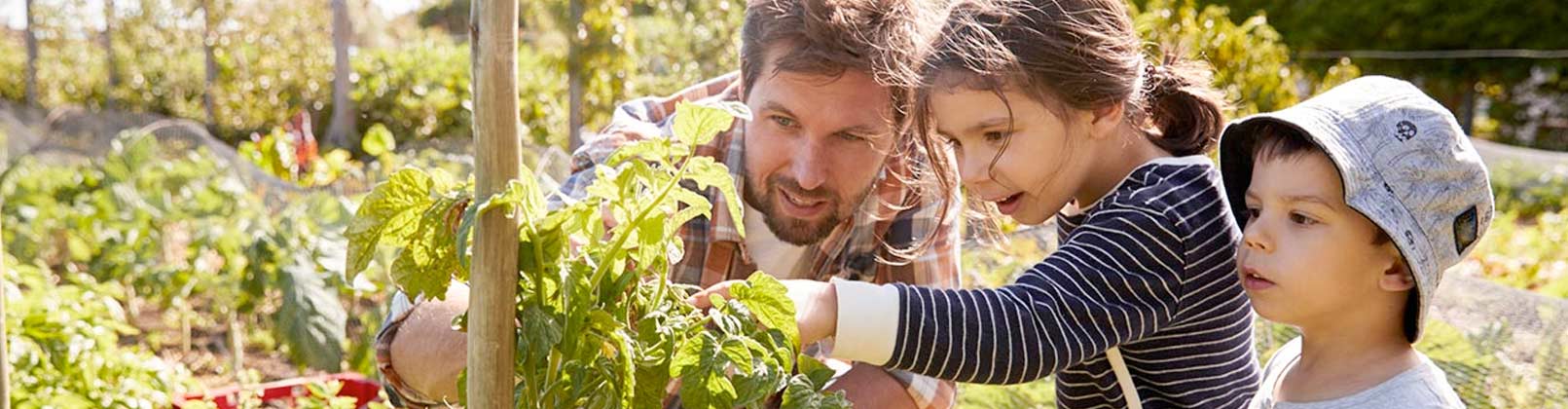
- Some children are up to five generations removed from anyone who ever worked on the land. Today more and more young people are bringing their children to the allotment to learn skills that will otherwise die out.
- An allotment is a place to find friendship and join in with the community spirit, or, alternatively it can be a place to find solace and solitude on your own plot.
Ten reasons that only scratch the surface of why it is good to have an allotment.
Tim Callard (Lifetime President)

Discover The World Of Allotment Gardening
We are a community enterprise run by a group of volunteers elected by our members making allotment gardening available to the citizens of Newton Abbot and District.
The Association was founded in the early 20th century. Today we have six fields, namely; Blake’s, Bradley, Camomile & Larkspur, Coach Road, Cooke’s and Decoy.
Newton Abbot Town Council is our Statutory Authority, and we enjoy a close happy working relationship working with them.
The Benefits of Allotments
- Healthier, tastier food
- A satisfying hobby
- Fresh air and exercise
- A return to nature
- Resource conservation
- Friendship opportunities
- Your very own food supply
- Community spirit
- Scientifically proven to give therapeutic relief of stress and depression
- Fresh food for family, friends and the community
- A chance to keep bees and chickens (including rare breeds)
- A place to grow fruit and vegetables as well as flowers for the home
- Reduce your Carbon Footprint
- Reduce your reliance on commercially grown fruit and vegetables
- A place to create your own haven for wildlife
Take Part In Our Wildlife Watch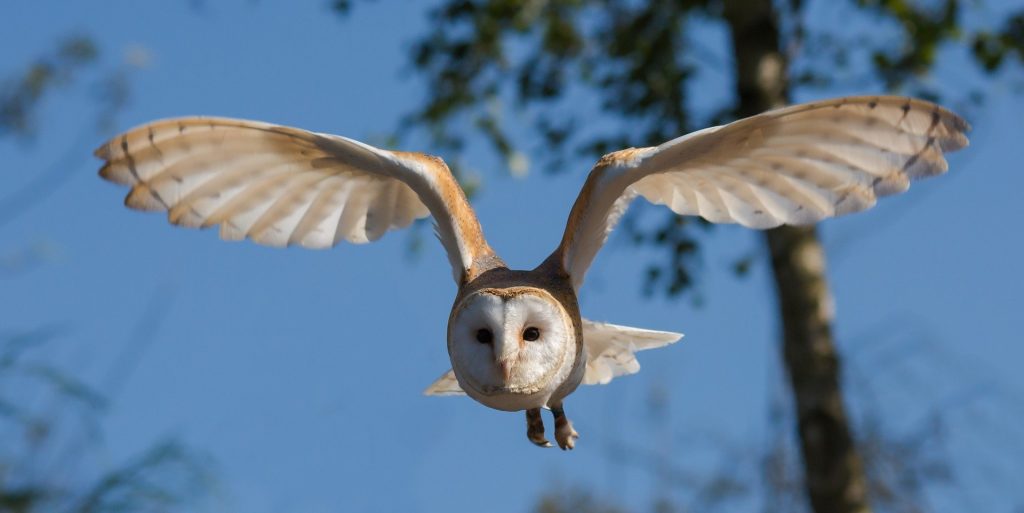
Statutory Allotment
Authority

NADCAA Supports The Pesticide
Free Devon Network